Paddington · February · after storm week
Coastal browns had moved the entire nursery up out of the retaining wall and into the void behind the meter box. Not aggression — real-estate. The wall was holding water it hadn't held for years.
Ants rarely arrive without an invitation. A trail across a bench, a line along the skirting, a small mound at the edge of the paving — each is a signal that something about the home has become hospitable.
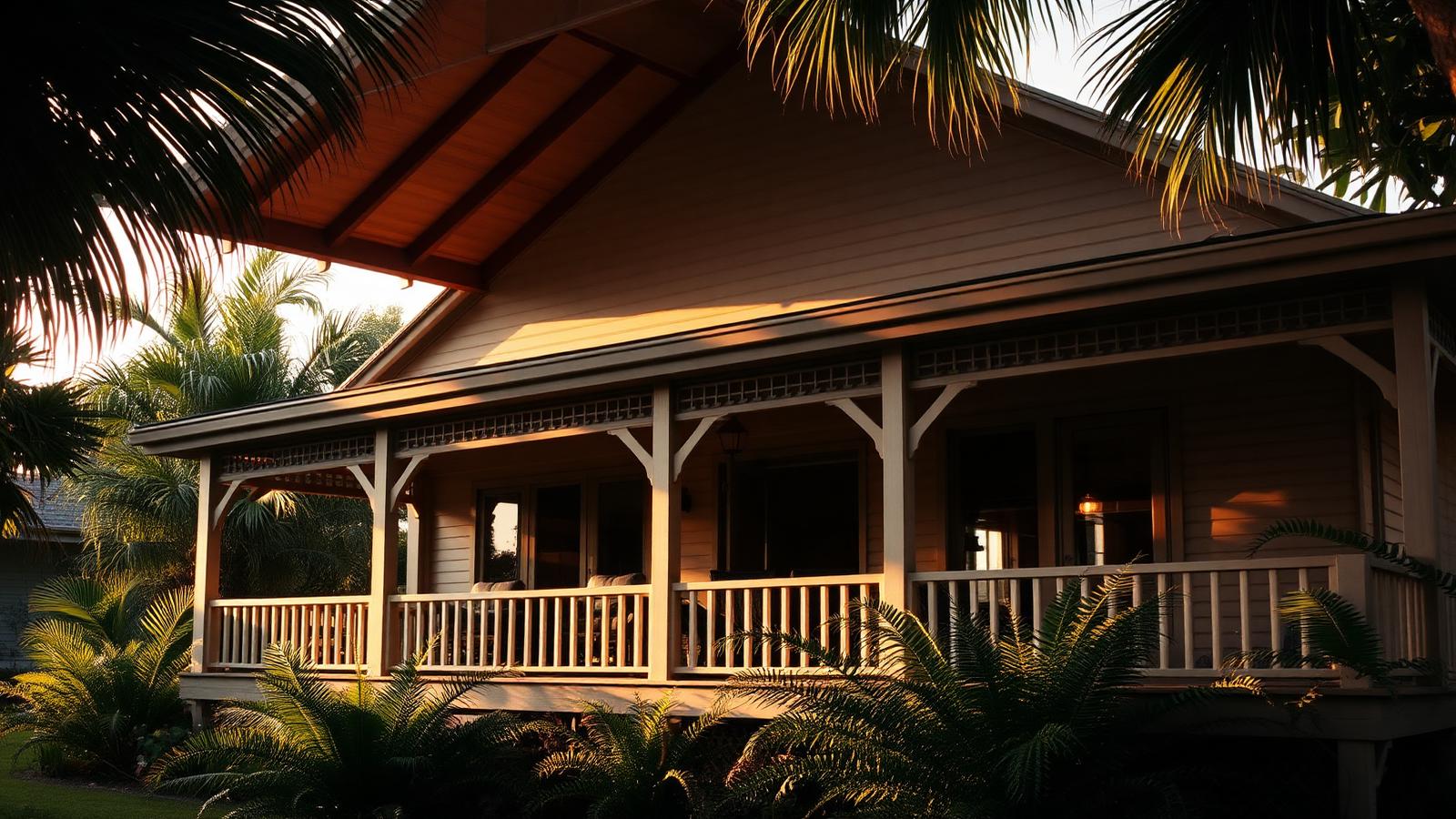
Before we recommend a treatment we spend the first hour reading the property. What follows is the same guide we carry into a Brisbane home.
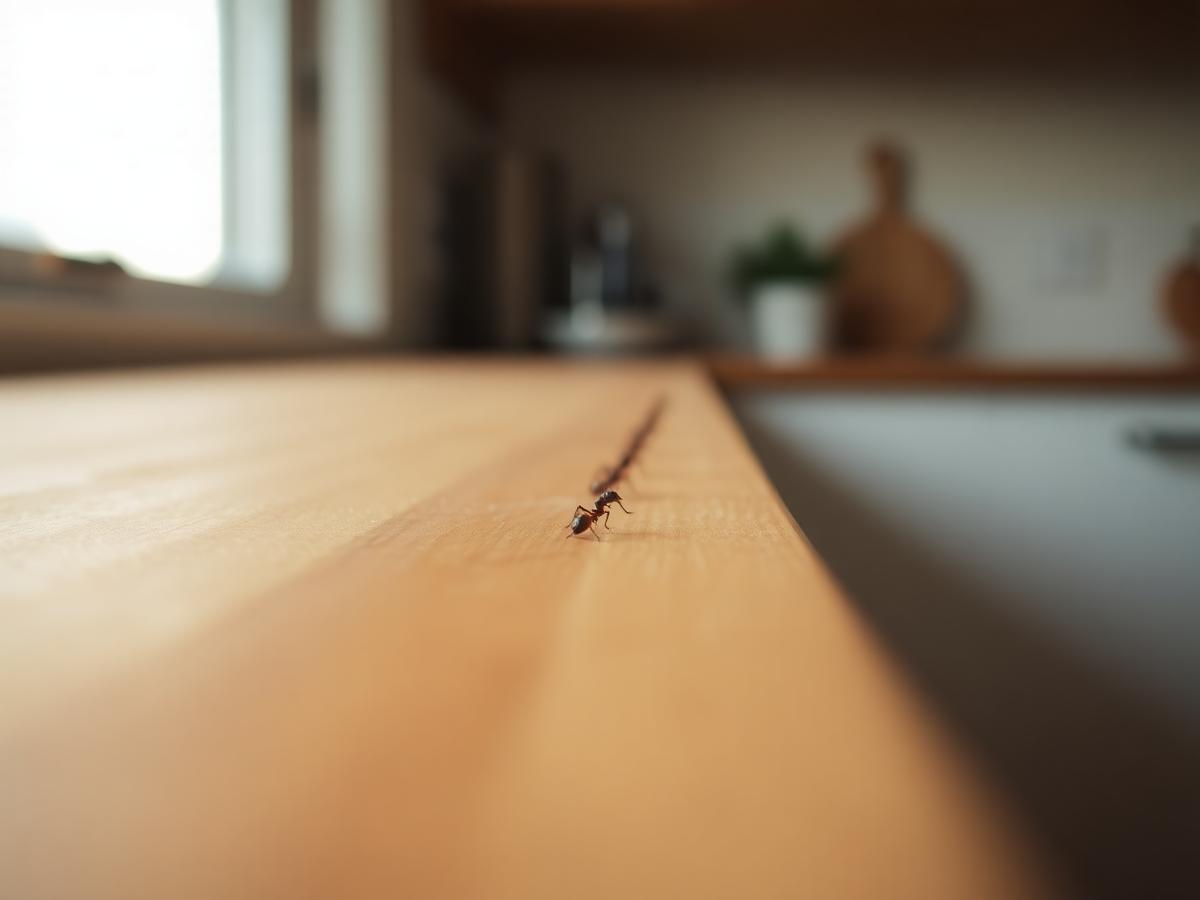
“We quite like ants. Just not the ones treating the kitchen bench as a highway.”
A single ant on a benchtop is a scout. Two ants moving in opposite directions is a conversation. A steady line is a decision the colony has already made — the food is worth the walk, and the route is worth defending.
Every trail runs along an edge. Skirting boards, tile grout, the underside of a windowsill, the seam where the benchtop meets the splashback. Ants navigate by micro-terrain and pheromone, not open space. Read the edges of a room and you have read the trail.
Removing the visible ants without removing the trail’s reason for existing is why the same line returns three days later, in exactly the same place.
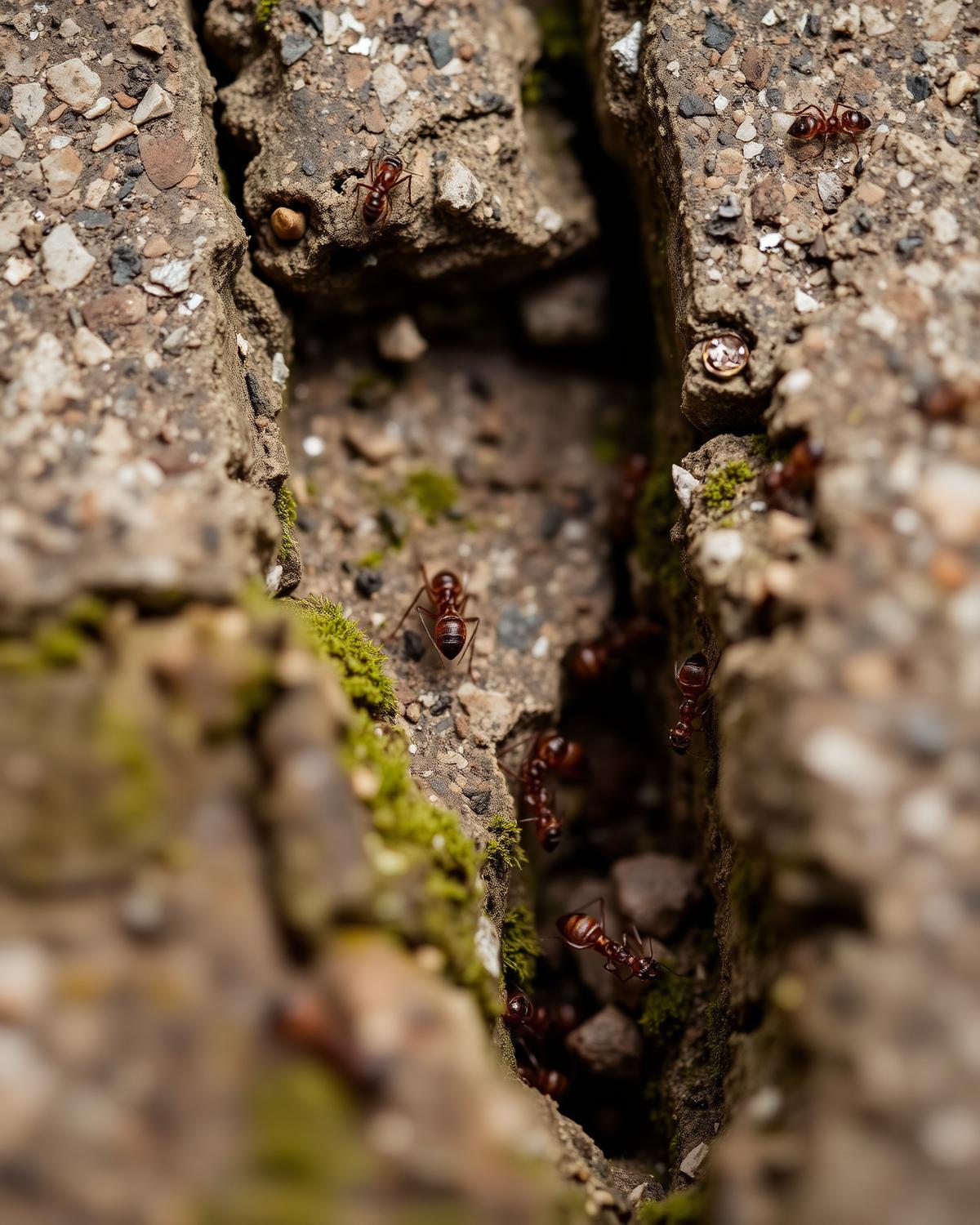
The ants you can see are perhaps a tenth of the colony — the foragers, the ones sent out to survey and carry. The rest is somewhere quieter and darker: a nursery of brood, a stored larder, a queen who will never leave.
Brisbane’s common residential species each behave a little differently. Sugar ants and black house ants nest in soil, wall cavities and timber voids and are drawn indoors by sweet residues. Coastal brown ants prefer paving and retaining walls, and appear as fine granular mounds after rain. Argentine ants form super-colonies across neighbouring properties. Carpenter ants excavate softened, moisture-affected timber.
Identifying the species is the first honest step of any treatment. Everything that follows — bait matrix, placement, timing — depends on which biology we are working with.
As you scroll, the marker follows the chapter — from kitchen trail, to colony, to the garden pressure at the boundary. The house is the same. What changes is what we are looking at.
Every inspection begins here — with a slow reading of the home before any product is opened.
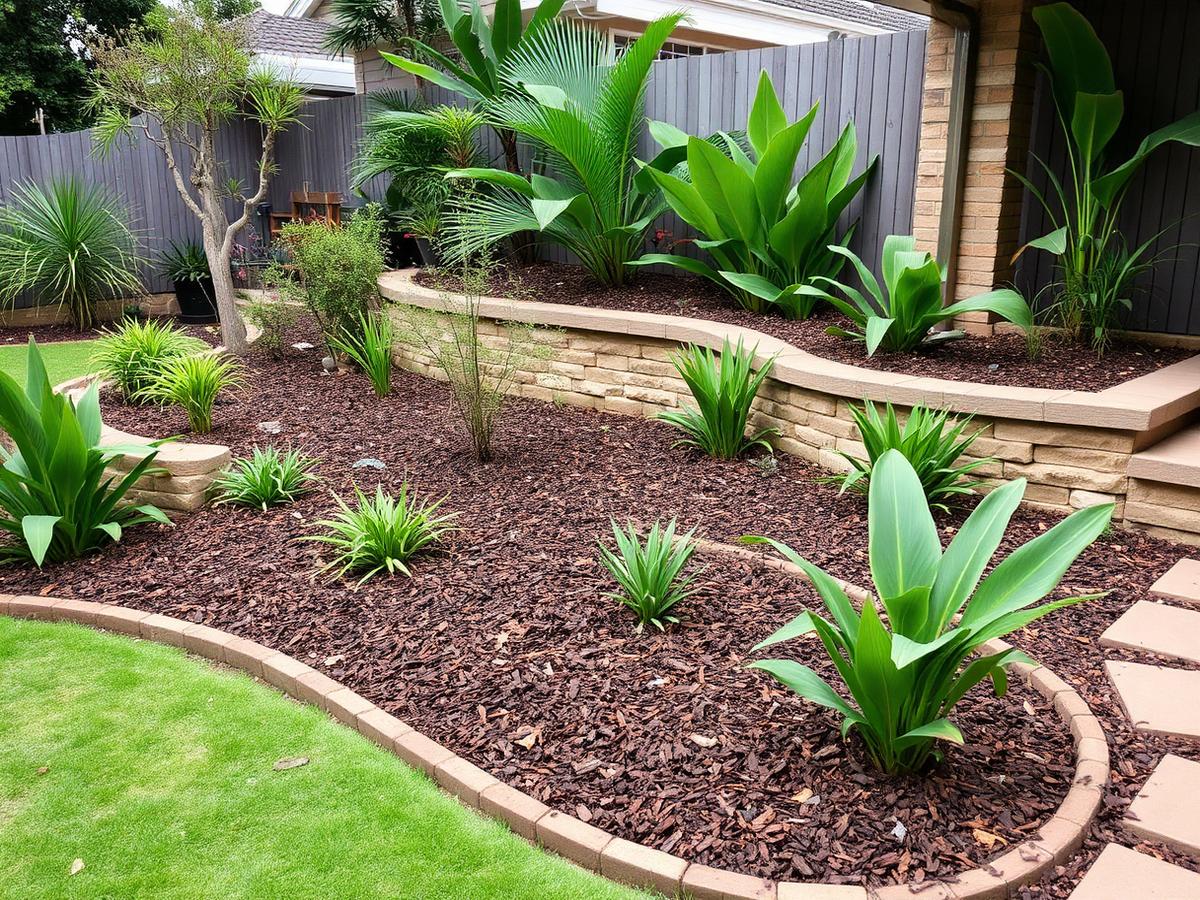
Before we open the house we walk the garden. Where does the irrigation land? Where does the sun leave the soil damp until midday? Which garden bed touches the slab? Which retaining wall is warmer than the ground behind it?
Coastal brown ants love the underside of pavers. Argentine ants follow moisture lines from a leaking tap to a bathroom wall. Sugar ants prefer south-facing garden beds heavy with mulch. Carpenter ants set up beneath the deck where a fallen leaf drift has stayed wet all winter.
Weather matters too. A wet week pushes colonies uphill, toward the house. A dry summer month drives them indoors looking for water. Seasonality is not a footnote — it is half of the diagnosis.
A PestBio inspection is a slow walk. We read the outside before the inside, the ground before the walls, the weather of the week before the day itself.
Nothing is treated in the first hour. The first hour is for questions.
Weep holes, service penetrations, door thresholds, window seals, the seam where cladding meets the slab.
Bathrooms, laundries, hot-water systems, irrigation heads, the underside of the deck.
Pantries, pet bowls, compost bins, fruit trees, sugar residues on the outdoor bar.
Overhanging branches, ground-touching foliage, ivy against masonry, mulch depth in beds along the house.
Beneath pavers, in retaining wall cavities, in soft or wet timber, in wall voids around plumbing.
Rooms, edges, appliances, the underside of joinery, warm voids around dishwashers and fridges.
Perimeter trails, fence lines, boundary vegetation, neighbouring properties.
There is no single ant treatment. There are several, and the difference between them is the difference between a fortnight of quiet and a decade of it.
We choose from a small, considered set. The species, the colony’s location, the household — pets, children, edible gardens — and the season all narrow the choice before we begin.
We are careful, and often quiet, about product. The story of a good treatment is placement and patience, not chemistry.
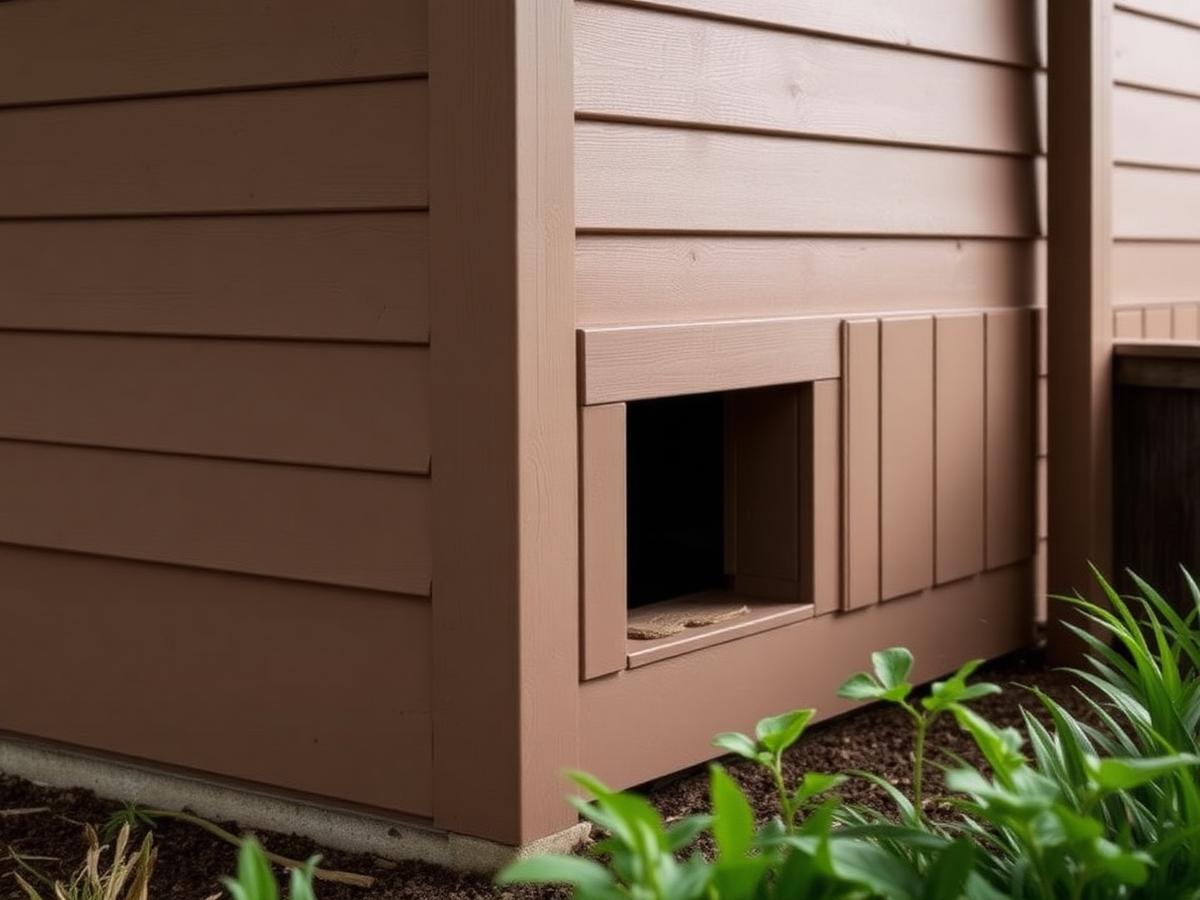
Ants return to homes that remain suitable. Protection is less about repeating treatments and more about gradually changing what the property offers.
A slightly lower mulch line. A repaired weep-hole screen. An irrigation head moved away from the slab. A pot base lifted off the paving. Small, unspectacular changes that make the walk to the kitchen longer than the walk to the garden beyond.
We leave every inspection with a short list of these — written in plain language, in the order of what matters most for that home.
Coastal browns had moved the entire nursery up out of the retaining wall and into the void behind the meter box. Not aggression — real-estate. The wall was holding water it hadn't held for years.
Sugar ants along the door threshold, morning only. Trail vanished by ten. Traced it back to a single hibiscus branch touching the fascia — a highway of one plant. Pruned the branch, the trail ended by the following week.
Family assumed white ants. It was carpenter ants working softened bearer end grain above a leaking downpipe. Two problems, one solution: fix the downpipe, treat the timber, leave the family with a quieter subfloor than they'd had in years.
Argentine ants at the boundary, moving between three neighbouring homes. Single-property treatment would have failed. We spoke to both neighbours before quoting.
A PestBio inspection takes about an hour. You’ll receive a written summary of what we found, why the ants have chosen your property, and — if a treatment is warranted — the specific strategy we recommend.
Servicing Brisbane and surrounding suburbs · Mon–Sat · No call-out fee within the metropolitan area.